Adoption Is Not Going Away: So Where Do We Go From Here?
In this blog, I explore adoption's long history, today's debates, and why adoption isn't going away. Drawing from my experience as an adoptee, I ask how we can move beyond disagreement of its existence and better support those impacted by adoption.
Few topics generate as much discussion today as adoption. Spend enough time online and you'll find people debating whether adoption is beneficial or harmful, sharing stories of gratitude, stories of loss, and everything in between. Much of the conversation is shaped by personal experience, which is why perspectives can vary so widely. Yet while the debate itself may feel modern, adoption is not. Long before social media, adoption existed in various forms throughout history, across cultures, and throughout generations. The conversation surrounding adoption may continue to evolve, but the reality remains the same: adoption is not a new topic, and it is not going away.
Throughout history, people have stepped into the lives of children and assumed the role of caregiver, protector, and parent. Adoption has existed in various forms for generations, and it continues to exist today. The Bible contains examples such as Moses being raised by Pharaoh's daughter after being placed in a basket on the Nile, Esther being raised by her cousin Mordecai after losing her parents, and Joseph accepting the responsibility of raising Jesus despite not being His biological father. The concept can even be observed in nature. There are documented cases of animals caring for young that are not their own, including surrogate mothers caring for orphaned offspring. While human adoption is far more complex than these examples, they demonstrate that caring for and raising vulnerable young extends beyond biological relationships alone.
Recognizing that adoption has existed throughout history does not mean ignoring its effect on people. Adoption can bring gratitude and grief. It can create opportunities while also leaving questions behind. It can provide stability and love while still raising questions about identity, belonging, and origins. These realities are not mutually exclusive and acknowledging them is important. What we do know is that adoption can be difficult. For some people, adoption tends to be more trauma heavy. For others, it involves loss, identity questions, feelings of abandonment, unanswered questions, or a lifelong curiosity about where they came from. For many, it is not one thing but a combination of many things. Adoption can shape how someone views themselves, their relationships, and their place in the world.
As an adoptee, those realities are personal. I was adopted from China when I was ten months old after being found on a doorstep as an infant with no note, no name, and no information about my biological family. Like many adoptees, there are pieces of my story I may never know. Those questions are real. They always will be. But I am also not going to wake up tomorrow and suddenly not be adopted. The circumstances that brought me here cannot be rewritten. The past cannot be changed. No amount of debating adoption will change the fact that it is part of my story. That is why I keep coming back to the same conclusion: adoption is not going away.
The adoptees already here are not going away. The questions are not going away. The challenges are not going away. The emotions surrounding adoption are not going away. Regardless of how someone feels about adoption, it continues to exist. It existed long before social media, and it will continue long after today's debates have ended. That does not mean everyone has to agree about adoption. It does not mean every experience is the same. It simply means that adoption is a reality for millions of people, and that reality is not disappearing.
Which leads me to a question I have spent a lot of time thinking about: Can we move forward? When I ask that question, I do not mean moving on. I do not mean forgetting. I do not mean pretending difficult experiences never happened. For many people, the phrase "move forward" can sound like minimizing pain or ignoring challenges. That is not what I mean. Moving forward does not require someone to stop grieving. It does not require someone to stop asking questions. It does not require someone to suddenly become grateful for circumstances they are still trying to understand.
Instead, moving forward simply means asking: What do I do from here? How do I take the reality I have been given and continue building a meaningful life around it? I think one of the reasons adoption conversations can become so difficult is because many of them stop at identifying the problem. There is no shortage of discussions about loss, trauma, identity, grief, unanswered questions, and the lasting impact adoption can have on a person's life. Many of those conversations are important. Ignoring challenges does not help anyone. But eventually, I find myself asking another question: What happens next? If someone is struggling with those challenges, how do we help them? If someone is carrying grief, how do we support them? If someone wants answers about their biological family, how do we help them search? If someone feels lost, isolated, or confused, what resources exist to help them move forward?
Identifying a problem is important. But eventually, we also need to talk about solutions. The reality is that moving forward will not look the same for everyone. For some people, moving forward may involve searching for biological family members or learning more about their origins. For others, it may involve accepting that some questions may never be fully answered. Some people find healing through therapy. Others through support groups, faith communities, mentors, friendships, or conversations with people who share similar experiences.
There is no single path. And honestly, I think that is okay. One of the things I have learned is that people often place pressure on themselves to heal the "right" way. They compare their journey to someone else's journey. They wonder whether they are feeling too much, too little, too fast, or too slow. But healing rarely follows a straight line. Some people make peace with parts of their story quickly. Others spend years wrestling with questions. Some people move forward while still carrying pain. Some move forward after finding answers. Some move forward without ever finding them.
Perhaps moving forward is not about reaching a destination at all. Perhaps it is about continuing to take steps despite the uncertainty. It is about refusing to let unanswered questions stop you from building a meaningful life. It is about acknowledging the reality of your circumstances while continuing to move toward growth, understanding, and purpose. Now today I love seeing more energy directed toward helping people take those steps. If someone wants to search for answers, there should be resources available to help them do that. If someone would benefit from therapy, counseling, support groups, mentorship, or community support, those resources should be accessible and encouraged. Seeking answers, support, or healing should not be viewed as a weakness. It should be viewed as part of the journey.
At the same time, support should not stop with adoptees. Birth parents often carry their own grief, questions, and emotions. Adoptive parents face challenges and responsibilities that require education and support. Siblings and extended family members may also be impacted in ways that are not always discussed. Adoption affects more than one person, and meaningful support should reflect that reality. What gives me hope is seeing more conversations, organizations, and resources emerge that are focused on helping people navigate adoption. While there is always room for improvement, I believe these efforts matter. They remind people that they do not have to navigate adoption alone.
Maybe moving forward does not mean finding all the answers. Maybe it means learning how to live with some unanswered questions while continuing to build a meaningful life anyway. Maybe it means recognizing that healing does not require forgetting, and growth does not require pretending difficult experiences never happened. Because adoption is not going away. And neither should our efforts to help people.
Wilson Munsterman
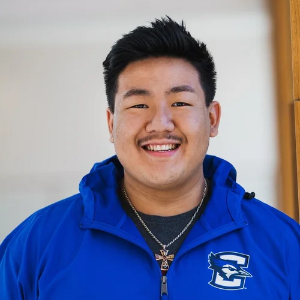
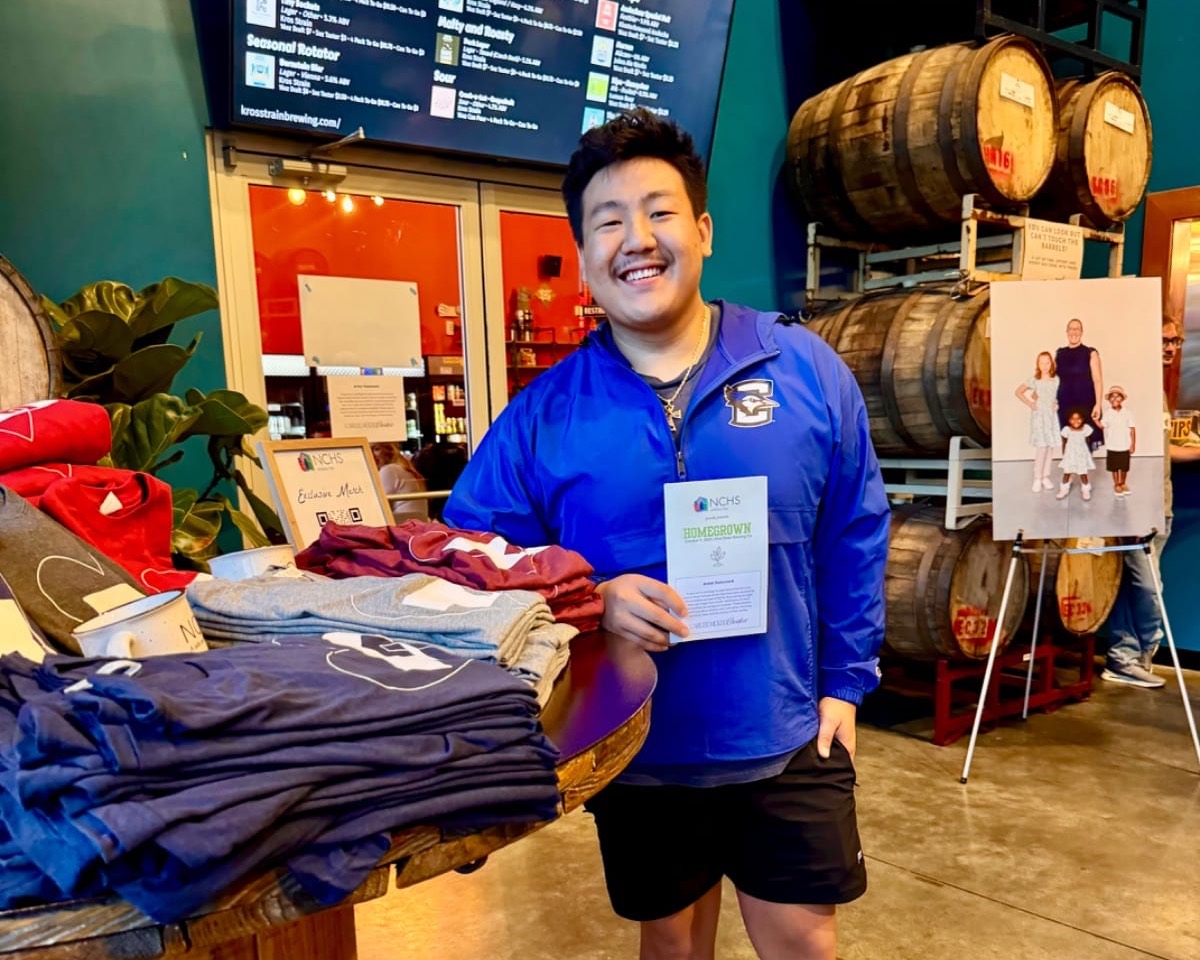
Wilson Munsterman is a passionate advocate, speaker, and writer who brings a unique perspective to the conversation on adoption. Born in China and adopted into an American family as an infant, Wilson grew up navigating the questions, experiences, and opportunities that come with being an adoptee. His journey shaped both his personal outlook and his desire to help others understand adoption more deeply and authentically.